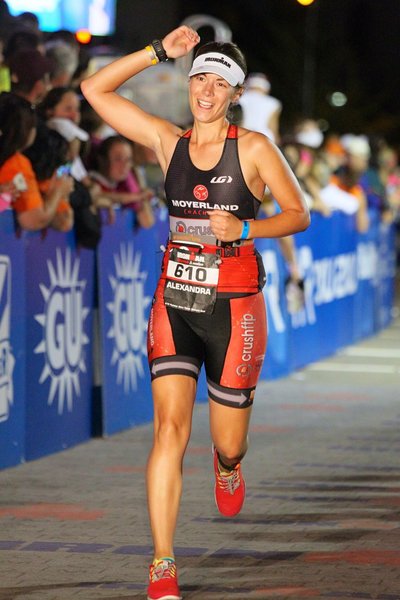



Congratulations, the relentless work has been done and you finally made it to race day! You whizzed through your training cycle well-fueled after polishing up on what to eat when training for a marathon. And, now that elusive start line is here! But, what about marathon nutrition for race day itself?
While racing a marathon may seem daunting, your race-day marathon nutrition plan doesn’t need to be. Having a race day nutrition plan is important for every runner at every skill level. If you need a starting point or a refresher on proper fueling strategies during a marathon, this blog article is for you! Let’s dig into marathon nutrition!

But first, the role of carbohydrate loading
Be confident in your training plan that got you to the actual race start. And, I want you to be confident in your carbohydrate (“carb”) loading as part of your prep for the big day. Because what you eat before race day is arguably just as critical as what you eat during the race. Carb loading is an important strategy for runners to use so they are adequately fueled heading into a big race.
This strategy involves consuming higher amounts of carbs than normal approximately 1-3 days before the race starts. If this sounds daunting, don’t worry, we have a whole carb-loading guide post for you!
As you get race-ready, consider practicing carb load in training. We highly recommend not experimenting with new foods during your carb load the week of your race. Let’s save that excitement for after the race.
What to eat the night before a marathon
Similar to carb loading, consider experimenting with your standard pre-race meal on the evenings before your longest long runs to ensure your body tolerates the meal well. This will help increase confidence in your food choices heading into race day. Low-fiber, relatively lower-fat foods will be best to help minimize the potential for gastrointestinal upset. Here are a few examples of what to eat the night before a marathon:
- Vegetarian sushi with soy sauce, an extra side of white rice, and an applesauce pouch
- Low-fiber spaghetti noodles with ground turkey marinara and a breadstick
- “Breakfast for dinner” with pancakes and maple syrup, orange slices, and apple juice.
- Baked salmon with a salted baked potato and banana slices
- If traveling- tuna packet with microwavable rice and fruit juice
- If dining out, grilled chicken with rice, a dinner roll,l and a glass of lemonade
Shameless plug for my favorite pancake recipe here!
If you are traveling to a destination marathon, consider packing a few carb-rich easy staples that are portable. Convenience items such as bagels and bread, microwavable noodles and rice, macaroni and cheese cups, dry cereal, and individual oatmeal packs are great options. For most runners, these foods are both easy to pack and easy for your body to digest- a win-win. If dining out, it is important to review menus beforehand to ensure that you are choosing restaurants wisely. Or consider staying in an overnight accommodation that has a kitchen accessible and you can prepare your meals and snacks.
Marathon Nutrition: what to eat race-day morning
Each individual is very different in what foods work well on race day morning but the parameters of what to include are generally the same. At least 2 hours before the race start, you want to optimize carbohydrate, sodium, and fluid intake. Suppose your body requires more time to digest the meal adequately, set an early alarm. It may be necessary to wake up at least 3 hours before the start of the race to allow enough time. Morning meal ideas to consider include:
· Cream of rice cereal with maple syrup and Skratch hydration beverage
· Toast with salted almond butter and honey and Tailwind hydration beverage
· Pre-made pancakes topped with maple syrup and juice mixed with UCAN
· If traveling- brown sugar oatmeal packet with an applesauce pouch and Skratch hydration
· If you are eating hotel breakfast- a low-fiber bagel with peanut butter and jelly, a banana, and a glass of orange juice
Should you have coffee before a marathon?
We can’t talk about marathon nutrition without discussing coffee. You may have heard that coffee and other caffeinated beverages can provide a quick boost in energy before running. The effects of consuming coffee and caffeine vary largely depending on the individual. If you are used to consuming caffeinated beverages such as coffee or caffeinated tea, it may be a good option to get you energized early on race day morning.
Furthermore, if you consumed coffee before your runs throughout the marathon training cycle and tolerated the caffeine well, then it is likely safe to go for it. Moderation will be key with coffee, in addition to prioritizing beverages that contain carbohydrates and sodium so you’re adequately hydrated and well-fueled before the race.
Research shows caffeine can increase alertness and increase time to exhaustion though this is more pronounced in non-caffeine users than in regular consumers. Some runners find a modest morning cup of joe can help produce a bowel movement before race day. However, this is something that you must experiment with in training to avoid any unwelcome surprises.

Marathon nutrition: what to eat
Adequate practice and preparation are key for what to eat during a marathon. Ideally, you have practiced this on most, if not every, long run throughout your marathon training cycle. For most runners, the recommendation is to aim for:
- 60-90 g of carbohydrates per hour,
- 200-500 mg of sodium per hour, potentially more if you’re a salty sweater
- and 5-10 oz of fluids every 15 minutes during the race (potentially more if the weather is hot, humid, or at elevation)
Simple carbohydrates such as energy gels, and sports drink beverages are the most convenient options for hitting these nutrition goals.
Common energy gels, blocks, and beverages available are:
- GU
- PowerBar Sport
- Jelly Belly sports
- Honey Stinger
- SIS
- Spring Energy
- Hammer gel
- Huma
- Perpetum
- Maurten
- Tailwind
- Skratch
- Gatorade
- UCAN
This is not an exhaustive list as there are many other sports nutrition options available. Also, serving sizes and carbohydrate amounts per serving vary largely, which is important to remember when you are choosing a fuel that works well for you.
If you are overwhelmed by simply looking at this list, consider working with a sports dietitian to identify better which product(s) work best for you. Dried fruit, candy, a banana, and breakfast energy bars are other high-carb fuel options if you desire more solid foods. However, these options are not nearly as portable or convenient.
Depending on which products you opt for, timing will be essential to hitting your nutrition goals while racing. Every 15 minutes while racing, it may be best to have a sports beverage or at least part of an energy gel. Taking large gulps of liquids and sports beverages at once may cause increasing “sloshing” or stomach cramps versus smaller, more frequent sips. Trial and error is important before race day to see what works best for you.
While it can be difficult to meet these fluid and nutrition needs while running, handheld water bottles, a fuel belt or even a hydration vest can be a useful tool for helping to carry this nutrition on the go.
Congrats, you made it to the finish
While your race-day preparation and execution may seem wildly daunting and overwhelming, it doesn’t need to be. Ideally, it helps to work with a sports dietitian to better understand your individualized nutrition plan.
There is no one-size-fits-all approach to race day nutrition recommendations, which is why I have my 1:1 nutrition coaching program. For most individuals, it requires a lot of trial and error, and my dietitian team and I are well-versed in streamlining this process to get you dialed in and feeling really confident about your marathon nutrition.
If you are struggling to put the pieces of the puzzle together, reach out and we can take the second-guessing out and help you have a great, enjoyable marathon day.

Alex
I provide nutrition coaching for endurance athletes to improve performance and body composition through a simple and flexible eating style.
Hi, I'm
LEARN MORE →

This collection of athlete-inspired apparel is basically a love letter to endurance athletes who celebrate carbs.
For too long, diet culture pushed the idea that carbs were something to fear. But, we are now in a carb-culture era where endurance athletes are reclaiming their fuel, honoring their bodies and celebrating the foods that actually help us perform.
That is what this collection represents. It's more than apparel. It's a movement. A community of athletes who are not afraid to fuel well, eat enough and take up space.
designed for the carb-loving athlete
shop
carb culture
the


