



Off-season nutrition is a critical part of a triathlete and runner’s performance nutrition regimen.
As a triathlete and runner, my personal biggest nutrition challenge is making that transition to the off-season. The good news is, that there are plenty of strategies you can put in place to achieve successful off-season nutrition!
The year I trained for Ironman Wisconsin, that 140.6 mile race was the last of my season and when I was all finished up it was hard to adjust back to a normal diet. I had spent the past 9+ months in heavy training and heavy eating. It wasn’t easy to cut back. I get it.
Let’s talk through off-season nutrition and what you need to know!

Eating in the Off-Season
With the grind of the training season over with, the off-season usually means reduced training – cutting back on intensity, length, and duration of workouts which means you’re likely going to be burning fewer calories.
If you’re looking to avoid unwanted weight gain, you’ll want to focus on cutting back on carbohydrates and your overall portion sizes. Note: I did not say cut out carbohydrates. Make an effort for your carb sources to come mainly from fruits and starchy veggies (such as potatoes, winter squash, corn, and peas).
On the other hand, if your goal is to gain weight in the off-season an efficient way to do this is by adding some healthy fats to your diet, such as avocado, nuts & nut butters, or full-fat yogurt.
Additional Off-Season Nutrition Tips:
- Match your carbohydrate intake to your activity level. Use my Athlete’s Guide to Meal Planning that shows you how!
- This is a great time to return to more whole foods instead of convenient sports products, such as energy bars, shakes, and protein powders.
- Include lean protein at every meal and snack.
- Have your biggest meal at breakfast, and taper the size of your meals as the day goes on.
- Reach for unsweetened beverages, milk, and water as your beverages of choice.
Off-Season Nutrition: This is the best time to work on that leaner body composition!
Hands down, this period of your year when you’re training less is actually the best time to optimize nutrition to improve body composition.

Need help with your off-season nutrition?
My team and I are here to support you. We are an experienced and passionate team and can help you with your off-season goals. Our 1:1 program is ideal for fine-tuning your fueling and nutrition for body composition and athletic performance.
Interested in bingeing more sports nutrition content for triathletes and runners? Check out my post on exercise-induced GI distress!

Alex
I provide nutrition coaching for endurance athletes to improve performance and body composition through a simple and flexible eating style.
Hi, I'm
LEARN MORE →
take the quiz!
Let's discover your Endurance Nutrition IQ
How well do you know your fueling? Answer these questions and let's see where your endurance nutrition knowledge is at!
Take the quiz

level up your nutrition game with these freebies
free downloadS
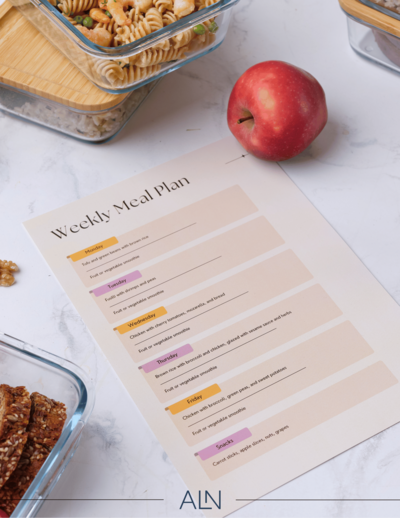
Protein-Packed 10-Day Sample Meal Plan
Athlete Eating Guide
Athlete Grocery Shopping Guide


1
2
3
Inspiration to fit 120 grams of protein into your day
Planning what goes on your plate
Putting the right foods in your grocery cart