
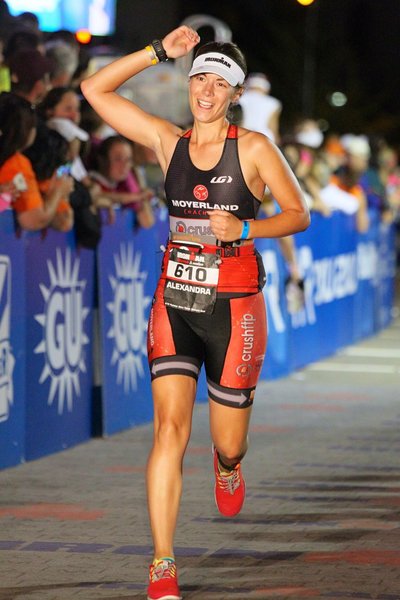



As a sports dietitian and an athlete, I fully understand nutrition can feel overwhelming and complicated. But let’s simplify and focus on some key principles. Here are 3 things to know about performance nutrition for endurance athletes!
With performance nutrition there’s no “one-size fits all” fueling plan.
It would be so convenient if there was one fueling plan that was perfect for every athlete. Nutrition for endurance athletes is going to be different for every athlete in what works best for them. They have different body types, training plans, food preferences, medical history, age, gender and goals. This is why a sports dietitian nutritionist may recommend a variety of options to find what works best for you.
Are you wondering… how can I find a sports nutritionist near me? My team and I offer virtual counseling, and work with athletes from around the world! Reach out through my services page to learn more.

Tread carefully with supplements and powders.
Before you start using any supplements, please make sure that they are third-party tested, such as Informed Choice for Sport or NSF Certified for Sport. In a recent study published, it was reported that more than 28% of the analyzed dietary supplements posed a risk of unintentional doping. The contaminated products originated all over the world, mostly from the U.S., but also the Netherlands, UK, Italy and Germany. Some of the samples originated in China and Southeast Asian countries.
Getting your nutrition from food first will always be the best practice. There are always a few exceptions. Such as vitamin D – especially for those who live in northern regions with less sunshine exposure – as it’s difficult to receive enough Vitamin D in the diet.
For endurance athletes, like runners and triathletes, protein needs are higher and it can be difficult to get enough protein to support recovery through food alone. Using a protein powder can be a useful tool when you need help meeting your protein needs.
A supplement brand that I personally love and trust is Thorne Research! You can use this link to get 15% off your order. I love the whey protein isolate and liquid vitamin D.
Popular fad diets are not ideal for performance nutrition.
Novice and recreational athletes will often try fad diets that are highly restrictive and cut out entire food groups with promises of weight loss or fat loss. While weight loss may happen, likely due to the lack of calories, these diets also lacking key nutrients and can cause deficiencies and potentially lead to sports injuries.
Remember that performance nutrition should be sustainable and not restrictive.
Aside from allergies and intolerances, most elite professional athletes eat vegetables, fruits, nuts, seeds, oils, meats, fish, whole grains, and dairy. I know that may not sound sexy like some of the fad diets do, but the pros really do eat all the food groups! A high-quality diet with a variety of foods will provide the most nutrition, improve health and enhance performance.

Nutrition for Endurance Athletes: The Takeaway
Changing eating habits isn’t easy to do! The reason why most diets don’t stick is because they weren’t specifically designed to fit into your unique lifestyle. I love the concept of a flexible eating style because how you eat needs to be adjustable and tailored to YOU!
And part of learning a new flexible eating style is building stronger eating habits for yourself.
Fueling your training and ultimately your performance days is both an art and a science. And as your dietitian bestie, I’m here to help you feel your very best.
If you want to learn more information about how to meal plan and fuel as an athlete, check out my athlete’s guide to meal planning! This FREE resource is exactly what you need to get started with performance nutrition. Happy fueling!

Alex
I provide nutrition coaching for endurance athletes to improve performance and body composition through a simple and flexible eating style.
Hi, I'm
LEARN MORE →

This collection of athlete-inspired apparel is basically a love letter to endurance athletes who celebrate carbs.
For too long, diet culture pushed the idea that carbs were something to fear. But, we are now in a carb-culture era where endurance athletes are reclaiming their fuel, honoring their bodies and celebrating the foods that actually help us perform.
That is what this collection represents. It's more than apparel. It's a movement. A community of athletes who are not afraid to fuel well, eat enough and take up space.
designed for the carb-loving athlete
shop
carb culture
the


