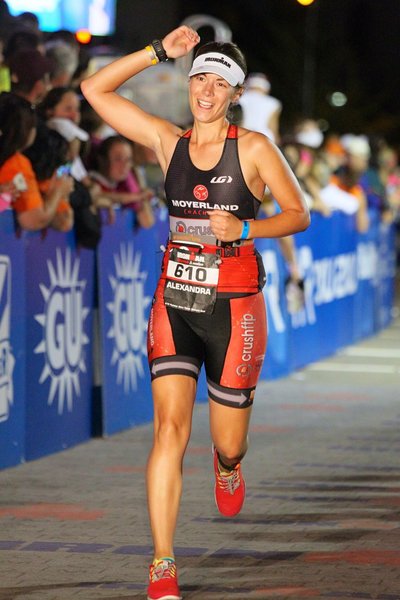



A common question that many endurance athletes are asking is, am I eating enough?
Your fueling strategy as an athlete is integral to your performance during training and races. A huge component of proper performance nutrition is making sure you are eating enough.
Athletes like you are using up tons of energy to accomplish your training goals. To compensate for this release of energy, you need to adequately fuel yourself accordingly.
Under-fueled endurance athletes are actually really common and it’s become our mission as a dietitian team for endurance athletes to change that trend! Let’s talk through the important signs and symptoms of an under-fueled athlete to look out for and how to keep up with your daily fueling. Keep reading to learn more!
Am I Eating Enough?

First I want to get into different ways you can assess if you are eating enough.
To start, it is important to learn how to identify your internal biomarkers. Your biomarkers are things such as hunger and energy levels, athletic performance, sleep, and stress. How have you been performing lately? How is your sleep doing? Ask yourself these questions to get a baseline feel for how you are doing.
Following this, you will want to learn how to tune into your own hunger levels. This can actually be difficult for many athletes at first if you aren’t used to it. Your body has what is called “hunger and fullness cues”. These cues signal when you start to feel hungry and when you are reaching fullness.
Now you can use these biomarkers and cues as a personal guide for if you are eating enough or not. Take the time to read these signals and listen to what your body is telling you, then adjust your nutrition accordingly.
To know if you are eating enough, you will want to start identifying your biomarkers and making notes on how you are feeling with your current fueling strategy.

9 Key Signs You’re Under-fueling
It is essential to be aware of potential signs and symptoms that you are under-fueling. If you aren’t eating enough- your body will let you know! Your nutrient stores will start to deplete, your blood sugar will dip, and a variety of unwanted consequences can follow.
Here are 9 important signs of an under-fueled athlete:
- Fatigue. Whether this is while training, or throughout your day-to-day life, one of the first signs you aren’t eating enough is a lack of energy. If you notice unusual fatigue, or that you are consistently tired, make sure to take note of it.
- Dizziness. Another common sign of under-fueling is dizziness. As your blood sugar gets low, you may start to feel faint or dizzy. You will want to replenish your energy stores ASAP to give your body the fuel it needs.
- Note: Iron deficiency anemia in athletes can also lead to fatigue and dizziness.
- Note: Iron deficiency anemia in athletes can also lead to fatigue and dizziness.
- Cramping. Feeling like you are cramping more than normal? While some cramping is okay- frequent cramping can be a sign of under-fueling and nutrient deficiencies.
- Irritability. As I mentioned, when you aren’t eating enough and your blood sugar gets low, your mood can become irritable. This is what I like to call “hangry“. Yeah, we’ve all been there.
- Constant hunger. Your body has a funny way of telling you what you need if you start listening to it. If you are feeling constantly hungry, it is safe to say you aren’t fueling yourself enough!
- Brain fog. I know when I’m hungry or under-fueled, it can be hard to concentrate or think straight. Consistent brain fog is a telling sign that you are under-fueling as an athlete.
- GI issues. Having issues with your digestion and gastrointestinal (GI) tract can be a symptom of not eating enough. When you aren’t eating enough, your digestive processes start to slow down. Then when you do eat, it can feel uncomfortable and lead to bloating, gas, diarrhea, or constipation.
- Trouble sleeping. Not being able to sleep through the night can greatly hinder your ability to perform as an athlete. If you frequently have issues sleeping, you may want to reassess your fueling strategy.
- Missed periods. Losing your period as a woman endurance athlete is absolutely a sign you are under-fueling. Relative Energy Deficiency In Sport (RED-S) is a serious condition that can occur from a long-term low energy intake and may involve the loss of your period (for female athletes).

How Much Should I Eat as an Athlete?
Another question that often comes up is how much should you be eating as an athlete. The answer to that- well, it is going to be different for each person.
There are many factors that go into how much an athlete should be eating. How many calories you should eat will depend on:
- Your training schedule
- Gender
- Age
- Height and weight
- Which sport you are doing
- Overall activity level
- And more!
Endurance athletes do have higher nutrition needs compared to non-athletes. You will want to make sure your caloric intake is more than the amount of energy you are exerting through activity.
Don’t worry, you don’t actually have to count your calories every day to know how much you should eat. While it may be helpful for beginners to use a food journal, over time you will be able to listen to your body and judge if you are eating enough. Remember to keep in mind all of the information from this article!
Tips for How to Stay Fueled

Fueling yourself with the right nutritious and delicious food as an athlete doesn’t need to be complicated. With the right strategy and tips, it is much easier than you think. I’m all about keeping it stupid simple, so it’s something that you can stick too even on your most difficult days!
Athletes tend to overcomplicate performance nutrition. Here are a few tips you can follow to make sure you are eating enough throughout the day.
Pre-workout and post-workout snacks
Prioritizing pre- and post-workout fuel is essential to getting the fuel you need. Pre-workout snacks help maximize your glycogen stores before your training session so you can power through. Great examples include easy to digest carbs like bagels, oatmeal, and toast.
Post-workout snacks replenish your lost stores and get your body set for recovery. Consider a good mix of protein and carbs, like bean burritos or a turkey sandwich. If you want to make sure you are eating enough as an athlete, I highly recommend including both pre- and post-workout snacks in your toolbox.
Space meals out throughout the day
Many athletes look at their entire day of fueling and are intimidated by the amount of food. 100+ grams of protein per day can seem like a lot! But hitting your nutrient needs is a lot simpler if you space your meals out throughout the day. This way you aren’t trying to cram all of your energy and protein into 1-2 meals at the end of the day.
Meal prep ahead of time
You would be surprised how much time and energy meal prep can save you. Many athletes are juggling a busy schedule between training sessions, traveling to races, preparing for race day, and living your life. If you have food options on-hand and ready-to-go, this makes hitting your nutrition goals more accessible!
Adjust energy intake based on your training volume
Another fueling strategy to use is to adjust your energy intake based on your training volume. During your periods of intense training, you will want to be upping your food. On the flip side, during your off-season, you can get away with having days with lower amounts (not too low of course, as recovery nutrition is equally important).
Work with an Endurance Performance Dietitian

Lastly, working together with a endurance sports dietitian to develop a personalized fueling strategy is a great way to make sure you are eating enough. Here at ALN, our team of specialized sports dietitians uses various tools and strategies to assess your food intake.
We typically have our clients journal their food for a period of time as a learning tool to help identify gaps and holes in your current diet. Then we show you how to put together meals and snacks throughout the day that works with your schedule. This helps to ensure you are both eating enough and getting the right balance of food and nutrients.
To learn more about our performance nutrition coaching services, head over to this link and when you are ready you can apply today!
Am I Eating Enough? The Takeaway
My hope is that this article gave you insight into how to assess if you are fueling yourself enough. Don’t fall victim to long-term under-fueling because it can have serious consequences!
You owe it to yourself and your training to have a solid fueling strategy in place that gives your body the nourishment it needs. Look at any barriers that may be in your way from meeting your nutrition goals. Then you can have a plan going forward to combat those barriers and be on your way to success! You got this, I’m rooting for you.

Alex
I provide nutrition coaching for endurance athletes to improve performance and body composition through a simple and flexible eating style.
Hi, I'm
LEARN MORE →

This collection of athlete-inspired apparel is basically a love letter to endurance athletes who celebrate carbs.
For too long, diet culture pushed the idea that carbs were something to fear. But, we are now in a carb-culture era where endurance athletes are reclaiming their fuel, honoring their bodies and celebrating the foods that actually help us perform.
That is what this collection represents. It's more than apparel. It's a movement. A community of athletes who are not afraid to fuel well, eat enough and take up space.
designed for the carb-loving athlete
shop
carb culture
the


