ENDURANCE EATS
Your go-to safe space to learn about all things nutrition and endurance performance.
Intersection of Nutrition + Mental Health for Athletes
March 5, 2025
listen on YouTube
listen on spotify
listen on apple podcasts
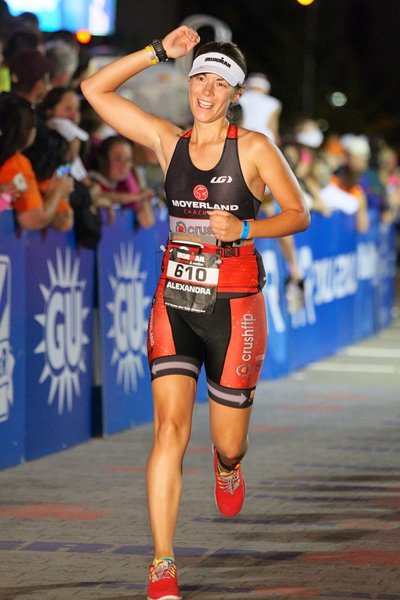




Welcome to the Endurance Eats podcast! This is your go-to safe space to learn about all things nutrition and endurance performance. Get ready for a journey packed with science-backed strategies, practical tips, and inspiring guests to revolutionize the way you think about fueling your body. Whether you’re a seasoned triathlete, a newbie runner, or a veteran cyclist, this podcast is for you.
“If I could just lose a few pounds, I’d feel better.” “I have no self-control around sweets.” “I already messed up my nutrition today, so why bother?”
If any of those thoughts sound familiar, this conversation is for you.
In this episode of Endurance Eats, I’m joined by mental health counselor Cindi Miller to talk about body image, disordered eating and mental health in endurance athletes. We explore how perfectionism, social media and diet culture can shape the way you eat, train and feel about your body.
I share how my own relationship with sweets has changed and how I approach body composition goals with athletes in our coaching program. Cindi brings a therapist’s perspective on looking beyond the number on the scale, recognizing food guilt, and finding support that understands the demands of sport.
My goal is to help you fuel like an athlete while still enjoying food like a human. That takes practice, flexibility and sometimes support beyond a nutrition plan.
What You’ll Learn
How to respond to nutrition setbacks without spiraling into shame or giving up.
Why self-compassion and a strong work ethic can exist together.
How social media comparisons can create unrealistic expectations for your body and progress.
Why there isn’t one “right” body type for endurance sports.
How to explore whether a body composition goal is about performance, appearance or something deeper.
How Cindi discusses the difference between disordered eating and a diagnosed eating disorder.
Why eating enough throughout the day can change how you feel around sweets.
What practical hunger means and why athletes sometimes need to eat before they feel hungry.
How food rules learned from coaches, family and childhood can influence your choices today.
What to ask when choosing a therapist who understands athletes, body image and eating concerns.
Meet My Guest: Cindi Miller
Cindi Miller is a mental health counselor with a background in collegiate and club volleyball coaching. Seeing athletes struggle with perfectionism, body image, and their relationships with food and exercise inspired her transition into therapy.
She has worked in residential and partial hospitalization eating disorder treatment settings and advocates for body acceptance and reducing shame around body size. She also provides education and coaching on anxiety, depression, burnout, boundaries and perfectionism for teams, organizations and individuals.
Connect with Cindi: https://www.instagram.com/sportsfoodandmentalhealth/
Resources Mentioned in This Episode
Cindi’s Instagram—Sports, Food & Mental Health: https://www.instagram.com/sportsfoodandmentalhealth/
Cindi’s website and educational offerings: https://stan.store/sfmh
One-on-One Nutrition Coaching with an ALN Dietitian: https://alexlarsonnutrition.com
Related Resource
Affirmations for Athletes: Mindful Eating and Body Positivity: https://alexlarsonnutrition.com/affirmations-for-athletes/
Work with My Team
Want to feel more confident fueling your training? My dietitian team and I help endurance athletes build practical nutrition habits that support performance, recovery and everyday life—with room for flexibility and foods you enjoy.
We also discuss why a therapist and dietitian can have complementary roles when food and body image concerns come up.
Learn more about nutrition coaching: https://alexlarsonnutrition.com
Connect with Me
Website: https://alexlarsonnutrition.com
Endurance Eats Podcast: https://alexlarsonnutrition.com/podcast/
Fueling Field Notes on Substack: https://alexlarsonnutrition.substack.com
Free Nutrition & Fueling Resources: https://alexlarsonnutrition.com/freebies
Enjoying Endurance Eats?
Follow the podcast so you don’t miss an episode, and leave a review to help more endurance athletes find practical fueling advice.
Have a question you’d like me to cover? Send it my way: https://alexlarsonnutrition.com/contact
Stay fueled, my friends!

When it comes to endurance training, most athletes focus on their physical performance—logging miles, tracking splits, or calculating macros. But mental health for athletes plays an equally critical role in how we fuel and perform.
As professional athletes like Michael Phelps and Simone Biles have opened up about their mental health journeys, the sports world is beginning to embrace the importance of mental well-being alongside physical prowess.
As a dietitian for endurance athletes, I’ve seen firsthand how mental health, body image, and diet culture shape our eating habits and performance. In this episode, licensed therapist Cindi Miller and I explore why mental health matters for athletes, how perfectionism impacts nutrition, and actionable ways to fuel your training while cultivating a positive relationship with food.
Mental Health For Athletes Is Key to Success
Endurance athletes often push their bodies to the limit, but what about their minds? Stress, anxiety, and shame can take a toll on performance and recovery. Nutrition is often at the center of these challenges, as body image struggles and diet culture perpetuate the idea that athletes must look or eat a certain way to succeed.
Think about it: food isn’t just fuel—it’s connection, culture, and comfort. But when we associate food with shame or guilt, it adds unnecessary stress. That stress doesn’t just live in your mind—it affects your body too, leading to poor energy levels, disrupted recovery, and even higher injury risk.
Instead of letting these mental health challenges take over, it’s crucial to focus on small, positive changes that support both your body and your mindset.
How Perfectionism Impacts Nutrition
Athletes are no strangers to high standards. But perfectionism—especially when it comes to food—can be more harmful than helpful.
Social media often glorifies “perfect” diets and training plans, but here’s the truth: success isn’t accidental, and it’s rarely linear. Behind every PR or race-day podium finish is a story of setbacks, plateaus, and adjustments. Yet, the pressure to always improve can create an “all or nothing” mindset, where anything less than perfect feels like failure.
For example, if you plan to hit 100 squats in a workout and only complete 97, is that a failure? Absolutely not! Those 97 squats are progress—far better than doing none at all. But in a perfectionistic mindset, it’s easy to let small setbacks spiral into feelings of guilt and shame.
Shame and Nutrition Setbacks
It’s not uncommon for athletes to feel shame after a perceived “failure” with food. Skipping a meal, overindulging in a dessert, or missing a nutrition target can feel like a setback. But here’s a mindset shift: failure isn’t failure—it’s feedback.
Setbacks are part of the process, and they can teach you a lot about what works and what doesn’t. Instead of beating yourself up, ask questions:
- What led to this situation?
- How can I tweak my habits or plan for next time?
Nutrition isn’t about perfection. Think of it as a Venn diagram: one circle is fueling like an athlete, and the other is eating like a regular human being. The sweet spot is the overlap—where you’re meeting your body’s needs while still having flexibility and joy in food.

Practical Tips to Fuel Your Body and Mind
If you’re ready to improve your relationship with food while fueling your endurance goals, start with these practical tips:
- Focus on What You Can Add
Instead of focusing on what to cut, think about what you can add to your meals. Include more colorful veggies, lean proteins, and whole grains to support energy and recovery. - Ditch the “Perfect Diet” Myth
There’s no such thing as the perfect diet. Your needs are unique, and they might even change from season to season or race to race. Flexibility is key. - Fuel Early and Often
Many athletes undereat during the day, leading to evening cravings and fatigue. Prioritize balanced meals and snacks throughout the day to keep energy levels steady. - Treat Food as a Tool, Not a Threat
Instead of fearing food, view it as a tool to enhance your performance and enjoyment of life. Even a sweet treat, like a Reese’s pumpkin or a donut, can have a place in a well-rounded plan. - Be Kind to Yourself
Celebrate small wins and progress. Whether you’re improving your protein intake or adding more veggies, every step forward matters.
The Role of Body Image in Endurance Nutrition
Body image is a common struggle for athletes, and it’s easy to get caught up in the idea that there’s a “right” body type for endurance. But here’s the truth: there’s no universal ideal.
Everyone’s body responds differently to training and nutrition. While it’s tempting to compare yourself to teammates or Instagram influencers, focusing on how you feel is more important than how you look. Are you recovering well? Do you feel strong during workouts? That’s what matters.
And remember: even if you’re not seeing physical changes, better nutrition and fueling habits can improve your energy, mood, and performance.
Finding Balance: Performance vs. Aesthetics
Athletes often feel torn between performance goals and aesthetic goals. Here’s how to strike a healthy balance:
- Set realistic expectations for body composition changes. Work with a dietitian to determine what’s achievable and sustainable for your goals.
- Focus on behaviors, not outcomes. Eating more vegetables, drinking enough water, and hitting protein targets are actions within your control.
And remember, the number on the scale doesn’t define your worth or your ability as an athlete.
Nutrition + Mental Health for Athletes: The Takeaway
Fueling your body isn’t just about hitting nutrition targets—it’s about supporting your mental health, enjoying food, and showing up as your best self in training and life. Perfection isn’t the goal; progress is.
If you’re struggling with body image or disordered eating, seek out support from a dietitian or therapist. These professionals can help you navigate the challenges of fueling for endurance while maintaining a positive relationship with food. You can learn more about Cindi and her services here.
For personalized nutrition guidance and support, check out ALN’s 1:1 nutrition coaching program for more details!

Alex
I provide nutrition coaching for endurance athletes to improve performance and body composition through a simple and flexible eating style.
Hi, I'm
LEARN MORE →
Top Episodes
Intersection of Nutrition + Mental Health for Athletes
Intersection of Nutrition + Mental Health for Athletes
Intersection of Nutrition + Mental Health for Athletes
Intersection of Nutrition + Mental Health for Athletes
Intersection of Nutrition + Mental Health for Athletes


