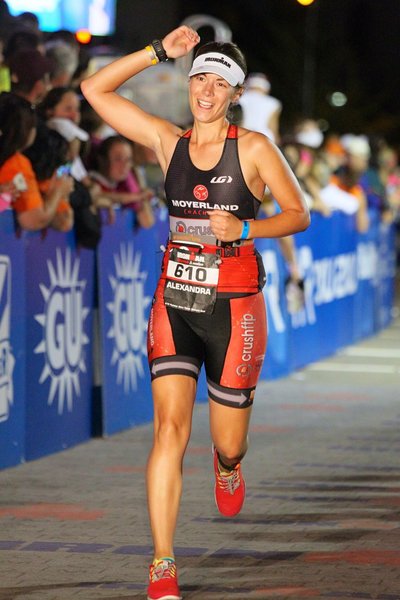



College runners, wondering what to eat the day of a track meet? As you log those miles and reps, you want to feel just as confident in your nutrition as you do in your training. Fueling your body properly helps you perform at your best.
Eating the right foods before a track meet is important for doing your best. Good nutrition gives you energy, helps you stay focused, and keeps you from getting tired too quickly. A balanced meal or snack helps your muscles work well and makes sure you stay sharp during the race.
Carbs, Protein, and Fat for Middle and Long-Distance Athletes
Before we dive into the specific foods to plan and pack for your upcoming track meet, it’s important to first understand key nutrients. These are essential for middle and long-distance runners.
Carbohydrates
Carbohydrates are great fuel for your body. They are the body’s favorite and most efficient source of energy.
When you eat carbohydrates, your body turns the food into glucose (sugar). It uses this sugar for energy, like during a run, or stores it as glycogen for later use. In everyday life, typically most runners require at least 55% of their calorie intake from carbohydrates. However, this can vary based on factors such as the duration and intensity of a run.
Simple Carbohydrates: Quick Energy for Training and Races
Simple carbohydrates are rapidly digested and provide a fast source of energy. You can often find them in:
- Raw sugar
- Energy gels
- Sports drinks
- Fruit
- Fruit juices
- Soda
- Candy
- Foods with added sugars, like cookies and desserts.
Since these foods are low in dietary fiber, they break down quickly, making them ideal for immediate energy needs.
Consuming simple carbohydrates before intense workouts and races helps fuel performance and prevent energy depletion. To improve endurance, try different sources of simple carbs. You can use sports drinks and fruit snacks during training. This allows your body to adjust and minimizes the risk of stomach discomfort on race day.
Complex Carbohydrates: Sustained Energy for a Balanced Diet
Complex carbohydrates take longer to digest and pack fiber and essential nutrients. You can find them in whole grains like barley, brown rice, quinoa, and oats. They are also in cereals, legumes like beans and lentils, and starchy vegetables such as potatoes and sweet potatoes.
Adding these healthy foods to your meals and snacks keeps your energy steady. They also support digestion and help you feel full and satisfied.
Protein
Research supports that adequate protein for runners speeds up muscle recovery and offsets muscle damage.
Most middle and long-distance runners should eat 1.2-2.0 grams of protein for every kilogram of body weight. Spreading this intake throughout the day is best.
Lean protein-rich foods to include regularly are: poultry, fish, beef, pork, eggs, and dairy. This includes Greek yogurt and cottage cheese. Other options are tofu, tempeh, seitan, edamame, beans, lentils, and protein powder supplements.
If you often struggle to meet your protein targets, try adding an egg (or two) to your toast. You can also mix in a scoop of low-fat cottage cheese or Greek yogurt with your fruit smoothie. Another option is to DIY trail mix with dried edamame, pumpkin seeds, and pretzels.
Some nutrition supplements, including protein powder supplements, may contain banned substances that can potentially disqualify student-athletes from competitions. Supplements can also contain unhealthy ingredients. Be sure to opt for a protein powder that is third-party tested.
Healthy Fats
Eating enough dietary fat is important. It provides your body with fuel for training. It also helps absorb vitamins and reduces inflammation.
About 20-30% of your diet should come from healthy fats. Good sources include olive oil, nuts, seeds, olives, and avocado. Flaxseed, chia seeds, and walnuts are great sources of omega-3 fatty acids. Studies show that eating them regularly can help reduce inflammation from training.
Fruits and vegetables
Ideally the more, the better. Aiming for at least 5 servings of fruits and vegetables per day is ideal. Highly recommend focusing on a variety of produce to get a variety of vitamins and minerals.
Here are some ideas to increase fruits and vegetables in your day:
- Canned, frozen, and even pouches can be an easy, convenient method if you are short on time and “cooking” in your dorm room.
- Top your Greek yogurt with berries.
- Add sautéed spinach and peppers to your morning eggs.
- Pack an applesauce pouch with your graham crackers before a run.
- Enjoy sliced apples with a drizzle of almond butter.
Fruits and vegetables are extremely rich in dietary fiber. If you often have stomach problems during your runs and workouts, eat well-cooked, low-fiber vegetables and fruits. This can help reduce unwanted side effects.

What to Eat the Night Before a Track Meet
A carbohydrate-rich meal that is relatively lower in fat and fiber is typically best to focus on. Here are a few examples of what to eat the night before a track meet:
- Low-fiber spaghetti noodles with ground turkey marinara, a small side salad, and a breadstick. Consider swapping whole wheat pasta for regular white flour pasta noodles if you are prone to bloating.
- “Breakfast for dinner” with waffles and maple syrup, scrambled eggs, and orange slices. You don’t have to make pancakes or waffles from scratch.
- Be sure to try our pancake mug if you are cooking in your dorm room! French toast and pancakes are great tasty and quick options as well!
- Baked salmon with roasted asparagus and salted boiled potatoes. Teriyaki or soy sauce are great high-sodium flavorings to jazz up this dish.
- Grilled chicken tacos with corn tortillas, pico salsa, and an extra side of white rice. You may want to pass on the side of refried beans!
- When traveling as a team and eating out, choose grilled chicken. Pair it with white rice, a dinner roll, and a glass of lemonade. Other high-carbohydrate options could include naan bread, white rice, white pasta, and pita bread.
What To Eat For Breakfast Before A Track Meet
Each track athlete may be different in what they eat on race day morning. Here are some strategies and ideas for finding what works best for you.
At least 2 hours before your race starts, you want to optimize carbohydrate and fluid intake. Including protein and fat is okay, but to a lesser extent. If you are racing on an outdoor track and expect warm weather, think about taking more electrolytes.
If your body needs more time to digest food, set an alarm. Wake up at least 3 hours before the race. This gives you enough time to prepare.
A few of the best breakfast options before a track meet include:
- Toast with salted almond butter and honey, Greek yogurt, and a large glass of grape juice
- Cream of rice cereal with maple syrup, a side of scrambled eggs, and Gatorade
- Baked oatmeal drizzled with peanut butter, sliced bananas, and a glass of apple juice
- Pre-made pancakes topped with extra maple syrup, a side of turkey sausage, and a glass of herbal tea with honey
- If your team is traveling and having hotel breakfast, choose a low-fiber bagel with peanut butter and jelly. Add a hard-boiled egg, a banana, and a glass of orange juice.
Best Snacks for Track Meets
Snacks are important for middle and long-distance runners on race day. They give a quick energy boost to fuel muscles and help maintain stamina all day. Snacks also help replenish glycogen stores, preventing fatigue and improving overall performance.
A well-timed snack can also stabilize blood sugar levels, allowing athletes to stay focused and avoid energy crashes.
Fortunately, there are many convenient, portable snacks to have on hand. Here are a few of our favorites:
- Peanut butter and honey or jam sandwiches– always a classic!
- Almond butter and jam bagel sandwiches
- Toaster pastries
- Bananas
- Dried fruit
- Fruit leather or fruit snacks
- Bars. Granola bars are easy but be sure to review this post for a few of our favorites!
- Pretzels
- Animal crackers and graham crackers
- Dry cereal
- Liquid carbohydrates such as hydration mixes and fruit juice
If you are doubling on a meet day and plan on racing more than once, it is extra important to consider timing. If you are racing again in less than 90 minutes to 2 hours, choose simple carbs. Stick to solid or liquid forms. This will help reduce the risk of stomach problems.
What to Eat After a Track Meet
When your race ends, recovery begins! Races are hard as you push the envelope on your body’s capabilities.
After your race, several things happen in your body. You may feel tired in your central nervous system. Inflammation can occur, and your core temperature may rise. You might also have changes in your electrolytes and low glycogen levels.
The importance of recovery nutrition after a meet day is important to jump-start recovery. Be sure to visit our blog post on maximizing recovery nutrition.
For Collegiate Runners Needing Further Help With Nutrition
The ALN dietitian team does not work with high school athletes. However, we have worked with several collegiate cross-country and track-and-field athletes to improve their nutrition and health.
For personalized help with your training and race day, reach out. Let’s discuss 1:1 nutrition coaching. We offer personal support and aim to help you build a flexible eating plan. This plan will fit your needs as an athlete.

Alex
I provide nutrition coaching for endurance athletes to improve performance and body composition through a simple and flexible eating style.
Hi, I'm
LEARN MORE →

This collection of athlete-inspired apparel is basically a love letter to endurance athletes who celebrate carbs.
For too long, diet culture pushed the idea that carbs were something to fear. But, we are now in a carb-culture era where endurance athletes are reclaiming their fuel, honoring their bodies and celebrating the foods that actually help us perform.
That is what this collection represents. It's more than apparel. It's a movement. A community of athletes who are not afraid to fuel well, eat enough and take up space.
designed for the carb-loving athlete
shop
carb culture
the


