ENDURANCE EATS
Your go-to safe space to learn about all things nutrition and endurance performance.
Should Endurance Athletes Strive for a Leaner Body Composition?
January 16, 2025
listen on YouTube
listen on spotify
listen on apple podcasts
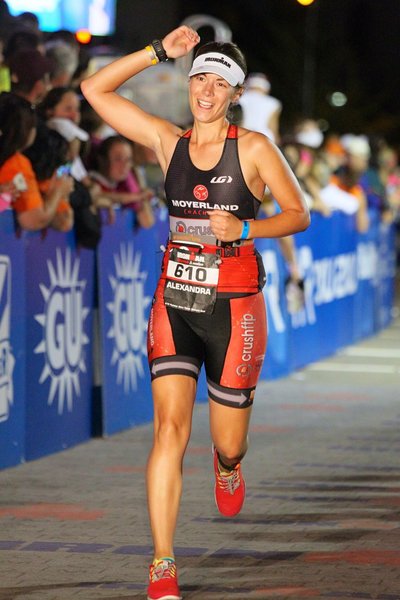




Welcome to the Endurance Eats podcast! This is your go-to safe space to learn about all things nutrition and endurance performance. Get ready for a journey packed with science-backed strategies, practical tips, and inspiring guests to revolutionize the way you think about fueling your body. Whether you’re a seasoned triathlete, a newbie runner, or a veteran cyclist, this podcast is for you.
Can you really fuel marathon training, recover well, and perform your best on a plant-based diet? Absolutely. But just because you're eating more plants doesn't automatically mean you're fueling your body well.
There's a little more to think about than simply swapping meat for beans.
In this episode of the Endurance Eats Podcast, I'm joined by my sports dietitian teammates, Hanna and Mary, to talk about what it actually takes to thrive as a plant-based endurance athlete.
Whether you're vegan, vegetarian, mostly plant-based, or just trying to eat more plants, we're breaking down how to get enough calories and protein, which nutrients deserve extra attention, and how to adjust your nutrition during race week so your gut doesn't stage a protest at mile 18.
We also dig into one of the biggest challenges I see with plant-based athletes: unintentional underfueling.
We're sharing practical plant-based protein sources, including soy and non-soy options, and how to combine foods throughout the day to support muscle recovery.
Plus, we're talking about iron deficiency, ferritin testing, vitamin B12, calcium, omega-3s, and why taking an iron supplement isn't necessarily the same as absorbing it effectively.
What You'll Learn
- Can plant-based athletes perform just as well?
- How to get enough protein without eating meat.
- Why your protein consistency matters.
- The hidden risk of underfueling.
- Which vitamins and minerals deserve extra attention.
- Why ferritin levels matter for runners.
- How to carb load on a plant-based diet.
- How to avoid race-day GI disasters.
- Are sports gels and hydration mixes vegan?
- Why plant-based doesn't have to mean all-or-nothing.
Resources Mentioned
- Endurance Eats Podcast, Episode 71 — Iron deficiency conversation with researcher Dr. Corey Dugan
- American Society of Hematology — Iron deficiency guidance discussed in the episode
Fuel Your Training with TrainingPeaks
This season's podcast partner is TrainingPeaks!
I use TrainingPeaks to look ahead at my training volume, training stress, and hardest workouts so I can adjust my carbohydrate intake and recovery accordingly. I love having the data to compare against how I'm actually feeling, because the numbers should support listening to your body, not replace it.
You can create a free account and get two weeks of Premium access when you sign up.
Connect with Me:
Follow along for more practical sports nutrition and fueling support: Instagram: @alexlarsonnutrition
- If you're eating plant-based and struggling to get enough protein, manage your energy, improve recovery, or figure out your race-day fueling strategy, you don't have to figure it all out on your own. My team and I work one-on-one with endurance athletes to build personalized fueling plans that support their training, performance goals, food preferences, and lifestyle. Work with Alex Larson Nutrition: https://alexlarsonnutrition.com/nutrition-services
Don’t Forget to Subscribe!
Click that follow button to stay updated on future episodes packed with actionable insights and expert advice for endurance athletes. Leave a quick review to help more endurance athletes find the show
Have Questions or Suggestions?
Have a question about plant-based sports nutrition? Reach out and let me know! There is plenty more we can cover in a future episode. Send me a message.
This episode of Endurance Eats is brought to you by Alex Larson’s 1:1 Nutrition Coaching.
If you’ve ever wondered, Am I eating enough? Am I fueling this right? Why do I still feel tired? you’re not alone. Alex Larson Nutrition helps endurance athletes cut through the confusion and build a fueling plan that actually works for their training, lifestyle, and goals.
You can learn more at alexlarsonnutrition.com.
This Episode is Brought to You By Carb Culture Shop
Grab your merch from the shop with saying that endurance athletes just get!

For endurance athletes, a leaner body composition is often a nuanced topic. It’s not just about weight loss—it’s about optimizing body fat percentage, building or preserving muscle mass, and fueling your body to perform at its best.
In this episode of Endurance Eats, I tackle the complexities of body composition and share insights from working with over 500+ endurance athletes through my 1:1 nutrition coaching program. From personal experiences to client success stories, I outline strategies for sustainable improvements while safeguarding your performance and health.
Why Body Composition Matters for Endurance Athletes
A leaner body composition can indeed offer performance benefits. Improved power-to-weight ratios, increased endurance, and reduced injury risk are just a few advantages. But the key is achieving these improvements strategically, without compromising energy levels, mental health, or muscle mass.
Unfortunately, many athletes approach body composition goals with restrictive diets or calorie-cutting strategies that backfire. Instead of improving performance, they feel fatigued, risk injury, and experience poor recovery—all symptoms of low-energy availability or even RED-S (Relative Energy Deficiency in Sport).
Rethinking Weight Loss in Training
In the early years of my nutrition practice, I strongly discouraged weight loss efforts during race training. The risks, including mental burnout, injuries, and RED-S, felt too high.
However, my perspective has evolved. I now believe we can honor athletes’ body composition goals while protecting their health and performance by taking a balanced, individualized approach.
With the right strategy, it’s possible to:
- Decrease body fat percentage.
- Preserve or even increase lean muscle mass.
- Enhance athletic performance with optimized fueling.

The Foundation of Sustainable Body Composition Changes
Patience is key. Quick fixes like crash dieting or extreme calorie deficits lead to muscle loss, performance declines, and unsustainable results. Instead, slow and steady improvements are more effective and lasting.
Here’s how I recommend approaching body composition goals:
- Prioritize Nutrition Periodization: Use the off-season to focus on body composition goals, but if you’re training year-round, adjust your nutrition strategy to complement your training load.
- Focus on Fueling: Proper fueling during workouts ensures you maintain energy levels and recover effectively, even as you target body composition changes.
- Play the Long Game: Sustainable results take time. Aiming for slow fat loss (1-2 lbs per week at most) while preserving muscle mass is the healthiest approach.
Case Study: Jessica’s Body Composition Journey
Jessica (name changed for privacy) is a 50-year-old runner who came to my program seeking a leaner body composition. She had experienced weight gain after menopause and wanted to feel stronger and healthier for marathon training.
Here’s how we helped her achieve her goals:
Month 1: Building a Foundation
- Protein Intake: We focused on consistent protein consumption to support muscle recovery and regulate appetite.
- Calorie Awareness: Setting achievable calorie targets helped her manage her energy balance without feeling restricted.
- Meal Planning: We provided lunch and dinner ideas to make hitting her protein and calorie goals realistic.
Months 2-3: Optimizing Training Fueling
- Pre- and Post-Workout Nutrition: Jessica learned how to fuel her training runs effectively with strategic carb intake before and after workouts.
- Body Composition Progress: By Month 3.5, Jessica lost 10 lbs—primarily body fat—while improving her running performance and overall energy levels.
Outcome:
Jessica reported feeling her strongest and healthiest, with newfound confidence in managing her nutrition for long-term success.
We absolutely love working with these female athletes so that we can showcase that you can see improvements in body composition and do it safely!
Nutrition Strategies for Endurance Athletes with Body Composition Goals
- Track Your Intake: Food journaling can be a powerful tool to connect your eating habits with your performance and progress.
- Increase Protein: Regular protein intake supports muscle recovery and helps you feel fuller for longer.
- Balance Macronutrients: Avoid drastic carb cuts. Carbohydrates are essential for energy, especially in endurance sports.
- Fuel Smarter: Optimize nutrient timing to fuel your workouts and recovery effectively.
Common Missteps and How to Avoid Them
Mistake 1: Extreme Calorie Cutting
Drastically reducing calories leads to muscle breakdown, poor recovery, and performance declines.
Solution: Aim for a modest calorie deficit, guided by a sports dietitian.
Mistake 2: Ignoring Recovery Nutrition
Skipping post-workout nutrition delays recovery and can lead to muscle loss.
Solution: Within 30 minutes of finishing a workout, consume a mix of carbs and protein.
Mistake 3: Prioritizing Aesthetics Over Health
An obsession with weight or body image can lead to harmful behaviors like disordered eating.
Solution: Focus on feeling strong and energized, not just on the scale.
The Role of Professional Guidance
Body composition goals require a highly individualized approach. Working with a sports dietitian ensures:
- Personalized Plans: Tailored strategies based on your goals, training schedule, and lifestyle.
- Progress Monitoring: Regular adjustments to optimize results without compromising health.
- Supportive Coaching: Guidance to build sustainable habits and a positive relationship with food.
Ready to Start Your Journey?
If you’re ready to achieve your body composition goals in a healthy, sustainable way, let’s work together. Apply for my 1:1 Nutrition Coaching Program to receive personalized guidance from a team that specializes in fueling endurance athletes.

Alex
I provide nutrition coaching for endurance athletes to improve performance and body composition through a simple and flexible eating style.
Hi, I'm
LEARN MORE →
Top Episodes
Should Endurance Athletes Strive for a Leaner Body Composition?
Should Endurance Athletes Strive for a Leaner Body Composition?
Should Endurance Athletes Strive for a Leaner Body Composition?
Should Endurance Athletes Strive for a Leaner Body Composition?
Should Endurance Athletes Strive for a Leaner Body Composition?


